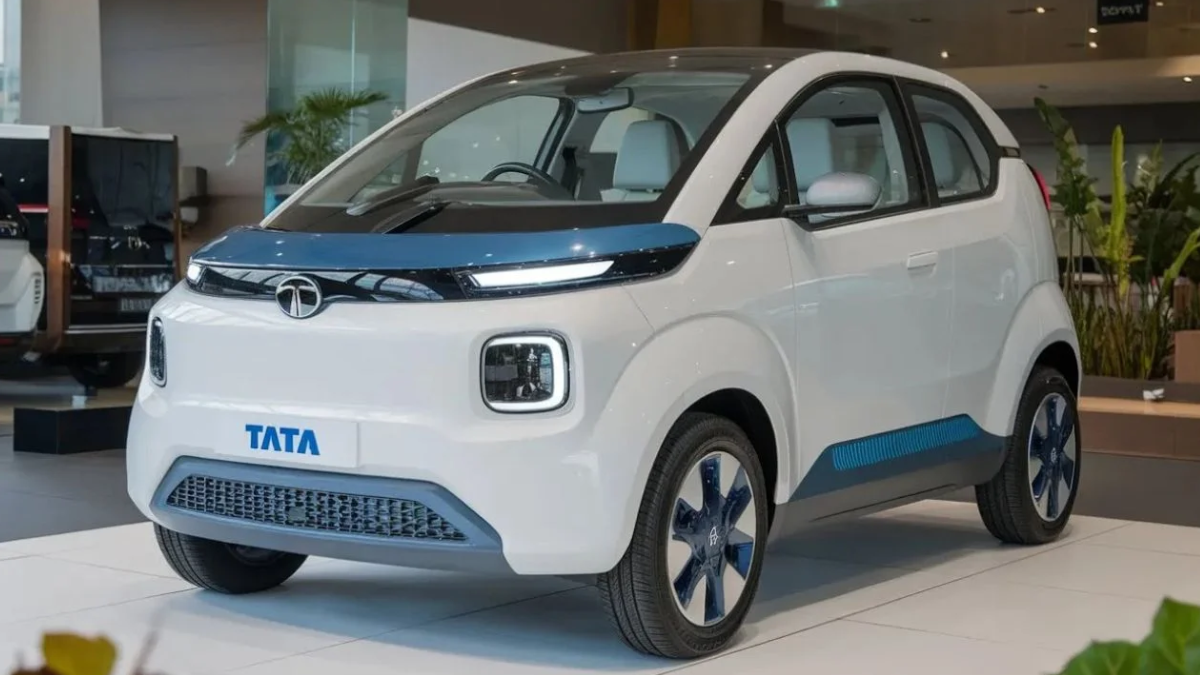
When Tata Motors first launched the Tata Nano in 2008, it was much more than just a new car hitting the market. It was a symbol of hope for millions of Indian families who had long dreamed of owning a car but thought it was beyond their reach. Priced at just around one lakh rupees, the Nano was hailed as the “world’s cheapest car,” sparking excitement and curiosity across the nation. But beyond its price tag, the Nano stood for innovation, simplicity, and a bold vision to make car ownership affordable for everyone.
The Vision Behind Tata Nano
The idea of the Nano came from Ratan Tata, the chairman of the Tata Group, who was inspired by a simple yet powerful image — a family of four riding together on a scooter, struggling with safety and comfort. This moment sparked the idea to create a safe, reliable, and affordable car for families like them. The goal was clear: build a car that could comfortably carry four people, fit into tight city spaces, and cost as little as possible without sacrificing quality.
Smart Design and Practical Features
Though small in size, the Tata Nano packed some smart engineering. Its compact design was perfect for crowded Indian streets, and despite its tiny frame, it could seat four adults comfortably. The car ran on a modest 624cc two-cylinder engine, designed to be fuel-efficient and easy to maintain. Its lightweight structure helped it deliver excellent mileage, making it ideal for city driving and saving money on fuel.
The simplicity of the Nano was its strength. By reducing unnecessary parts and keeping the mechanics straightforward, Tata Motors was able to keep costs down while providing a practical vehicle for everyday use.
The Launch and Challenges
The launch of the Tata Nano created waves worldwide. People were curious — could a car really be sold at such a low price? While the initial excitement was huge, the journey wasn’t easy. The Nano faced production delays, safety concerns, and a few unfortunate incidents, including reports of some cars catching fire. These issues affected its reputation, and many people began to see the Nano as a “cheap car” rather than a smart, affordable choice.
Also, the target customers often found it difficult to afford even the low price once taxes and loan interest were added. Meanwhile, some buyers preferred spending a bit more on cars that looked more stylish or offered more features.
What the Nano Means Today
Despite the hurdles, the Tata Nano remains an important chapter in India’s automotive history. It showed that Indian engineers could dream big and deliver something truly different. While it didn’t achieve commercial success, the Nano inspired automakers worldwide to rethink how affordable cars could be designed and built.
There is also talk about a possible revival of the Nano, this time as an electric vehicle. With electric cars gaining popularity, the Nano might get a second chance to shine as a green, city-friendly ride for millions.
The Tata Nano might have been small in size, but its impact was huge. It was born from a dream to make car ownership possible for the average Indian family — a dream of safety, comfort, and pride. Even if it didn’t meet all expectations, the Nano taught us valuable lessons about innovation, ambition, and the power of believing in a better future. It remains a symbol of bold thinking and a reminder that sometimes, the smallest ideas can leave the biggest mark.